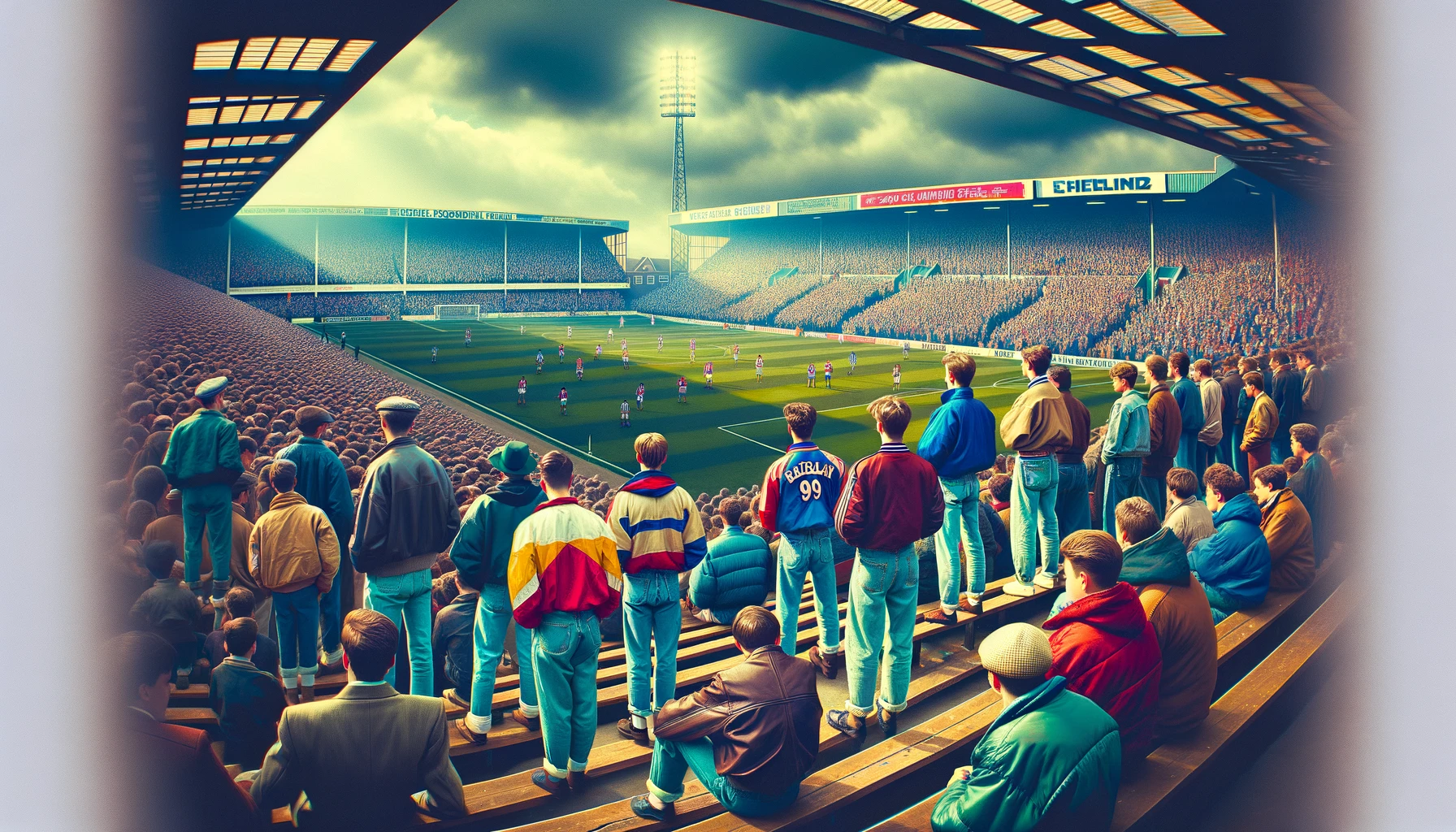
How the Premier League Reshaped Global Sports on May 10, 1992
On May 10, 1992, a significant event occurred that changed the face of English football and had a profound impact on the global sports landscape: the final day of the last Football League First Division before it was rebranded as the Premier League. This marked the end of an era and the beginning of a new chapter in football history, characterized by commercial success and international dominance.
Historical Background:
Prior to its reformation, English football was facing numerous challenges, including outdated facilities, hooliganism, and a general decline in competitive success on European platforms. The late 1980s and early 1990s were pivotal, as club executives began to envision a league that could leverage TV rights financially, improve the quality of play, and enhance the global appeal of English football.
The idea of the Premier League was formulated by the “big five” clubs at the time (Manchester United, Liverpool, Tottenham, Everton, and Arsenal) who met with the Football Association (FA) to discuss a breakaway league. This league was intended to capitalize on lucrative television rights, specifically targeting a deal that would be independent of the Football League.
Event Details:
The First Division of the Football League held its last matches on May 10, 1992. Leeds United emerged as the champions of this final season, edging out Manchester United by four points. This final day was not just the culmination of a season but the end of the First Division as it had been known since 1888. The rebranding and restructuring into the Premier League were set to begin in the following season, 1992-1993.
Impact of the Event:
The formation of the Premier League was a game-changer in many ways:
- Financial Growth: The Premier League secured an initial TV broadcast deal with Sky worth £304 million over five years, a massive increase compared to previous agreements.
- Global Audience: The league quickly grew in popularity, attracting viewers worldwide with star players and competitive teams. This global reach translated into increased revenue from broadcasting rights outside the UK.
- Quality of Play and Facilities: The influx of money led to improved stadiums and training facilities, as well as the ability to attract and pay top players from around the world.
- Cultural Impact: The Premier League has had a substantial cultural impact, influencing not just sports but fashion, language, and social interactions across continents.
Related Anecdotes:
The announcement and implementation of the Premier League were met with mixed reactions. While some embraced it as a necessary evolution, others felt it could lead to the demise of smaller clubs due to the unequal distribution of revenue. Over the years, this divide has become a point of debate regarding the “soul” of football.
The first season of the Premier League in 1992-1993 was won by Manchester United, setting the tone for a period of dominance under Sir Alex Ferguson. The inaugural match broadcasted live was a fixture between Nottingham Forest and Liverpool, symbolizing the new era of English football.
Further Reading:
- History of the Premier League (opens in a new window)